Mitama Festival
 Tomas Kauer - Senior News Editor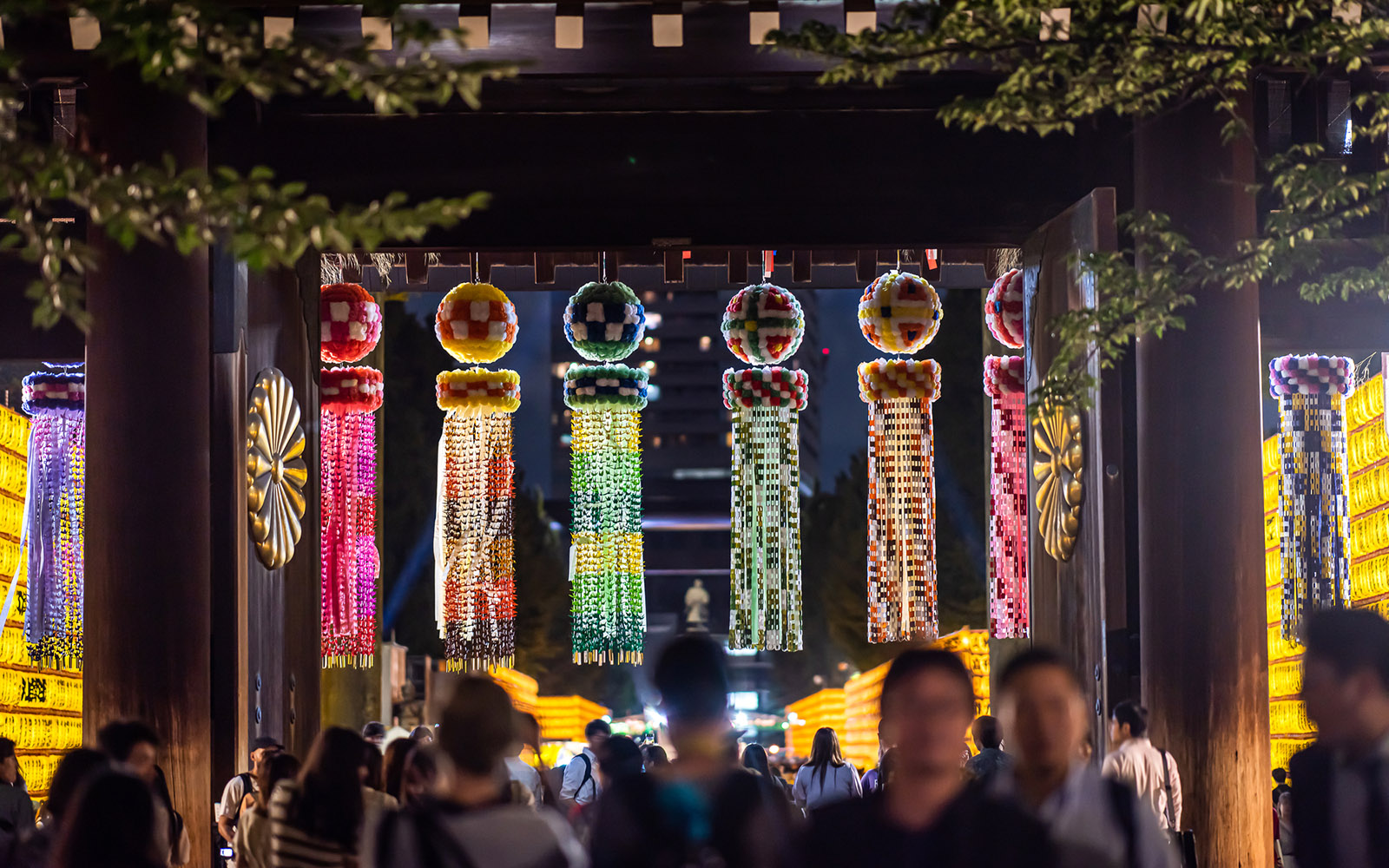
Every July 13 to 16, thousands of glowing lanterns illuminate the grounds of Tokyo’s Yasukuni Shrine for the Mitama Festival. Established in 1947 in the aftermath of World War II, this is one of the city’s largest Obon celebrations, a traditional period when Japanese families honor the spirits of their ancestors. Derived from the Japanese word mitama (honored spirit or soul), the festival blends solemn religious remembrance with the energetic atmosphere of a summer matsuri (festival).
Mitama Festival
 Photo by: PIXTA/ westgate
Founded in 1869, Yasukuni Shrine commemorates over 2.4 million people who died in service to Japan, primarily during World War II.
As all of Japan’s war dead (including convicted war criminals) are enshrined here, the location remains one of the most politically sensitive and controversial sites in East Asia. Consequently, the festival exists in a unique cultural space: a site of deep national mourning and geopolitical tension, yet also a joyous community gathering that draws thousands of visitors.
The festival’s defining feature is its visual tribute to the deceased. More than 30,000 yellow lanterns line the shrine’s massive approach, acting as symbolic beacons to guide the spirits back to the living world. While citizens and local businesses donate the smaller lanterns, public figures, celebrities and athletes contribute larger lanterns adorned with custom artwork and calligraphy. Although events take place throughout the day, most visitors arrive after sunset to see the shrine grounds illuminated by thousands of lanterns.
Festival Activities
 Photo by: PIXTA/ aki
The Mitama Festival combines religious observances with many of the traditions associated with a Japanese summer matsuri. While ceremonies take place inside the shrine, the grounds are full of food stalls, folk dancing and cultural performances.
Each evening, Shinto priests conduct ceremonies at the main sanctuary to honor the enshrined spirits. Outside, visitors can browse rows of yatai (festival food stalls), watch performances and join Bon Odori dances.
On the first day, a Nebuta float from Aomori Prefecture (associated with the Nebuta Festival) appears alongside an Awa Odori dance procession from Tokushima. The second day of the festival features traditional performances on the outdoor Noh stage, followed by a mikoshi (portable shrine) procession through the grounds. Finally, the festival concludes with a Kagura performance, a sacred Shinto dance featuring stories drawn from Japanese mythology.