
































Hijiori Onsen

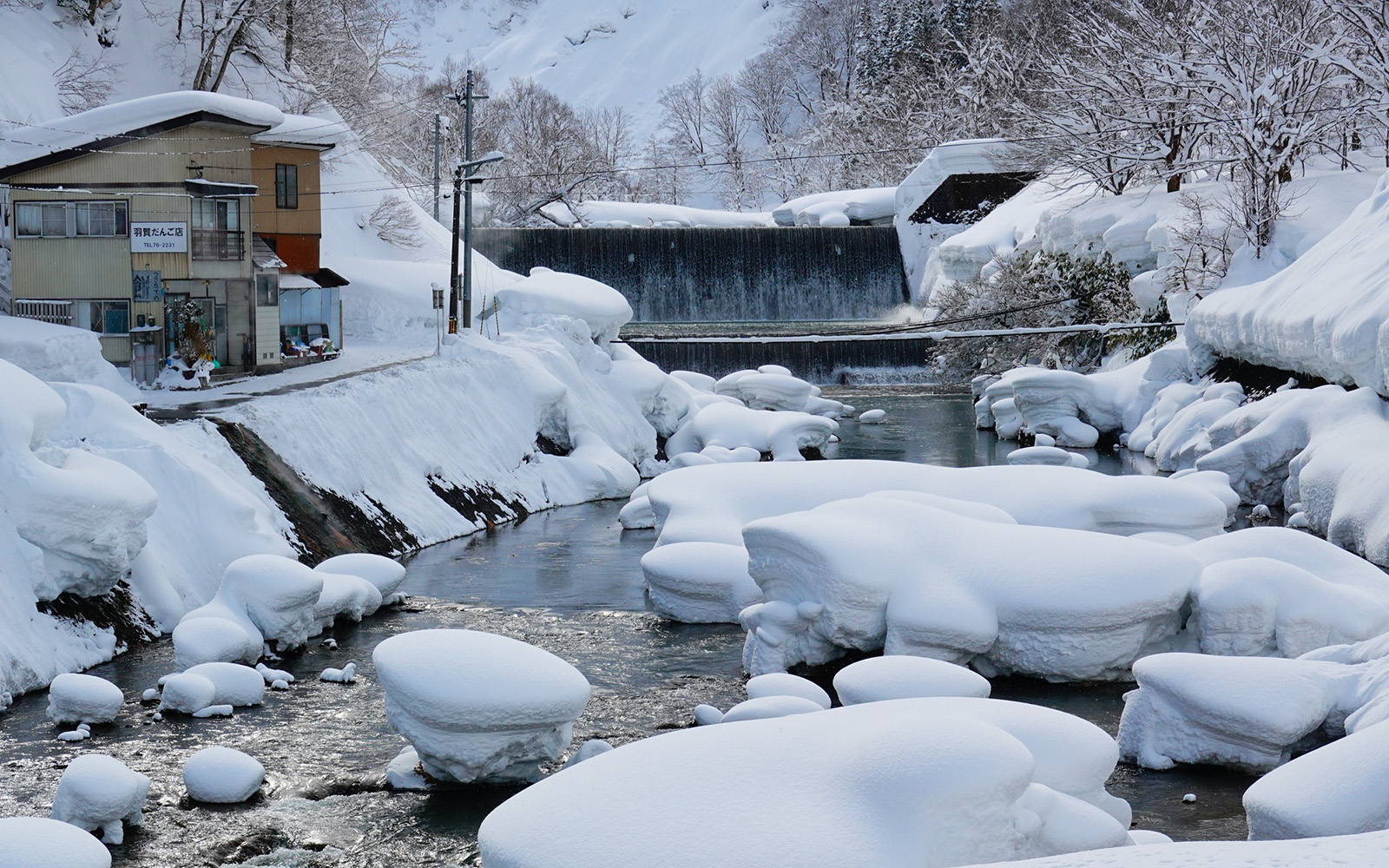
Hidden in a deep valley at the foot of Mount Gassan, Hijiori Onsen offers the kind of stillness that feels rare today. The small hot spring village seems untouched by the passing years: wooden inns, lantern-lit streets and the steady flow of the Dozan River all give the town a gentle, timeless charm.
Hijiori Onsen
 Photo by: PIXTA/ドラマル
The story of Hijiori Onsen dates back more than 1,200 years. According to legend, a wandering monk who injured his hiji or elbow healed instantly after falling into one of the warm natural pools. Since then, the springs have gained popularity for their healing properties. This story has been passed down as the origin of the name “Hijiori.”
The water is rich in sodium chloride, bicarbonate and carbon dioxide. An uncommon combination that warms the body deeply, softens the skin and supports recovery from fatigue and minor injuries. Each ryokan draws water directly from its own natural source, giving every bath a slightly different feeling.
Nature, Townscapes and Simple Pleasures
 Photo by: PIXTA/ さわやん
Nature surrounds Hijiori in every direction. In the spring, young green plants return to the valley. In autumn, the trees change color, creating a beautiful display. Winter transforms the area into one of Japan’s snowiest regions.
Seasonal events bring color to the town throughout the year. In late January, the “Fantasy Snow Corridor” lights up tall snow walls with a soft candle glow. There is also the old “Sange Sange” procession, gentle summer lantern nights and winter celebrations featuring Okura-kun, the giant snowman.
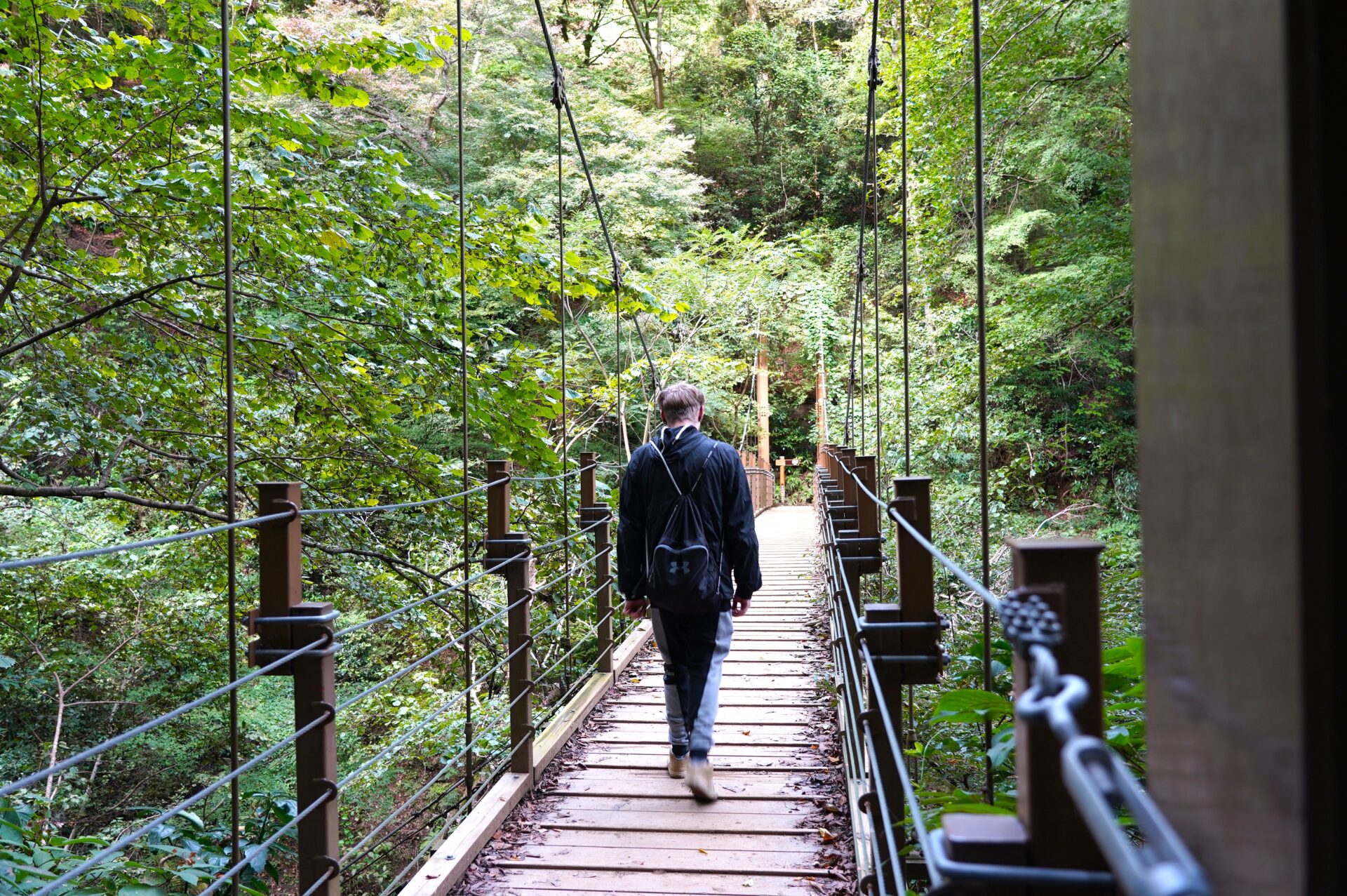
The area is full of memorable sights: Komatsubuchi’s river valley, the old wooden post office, the 240-meter Hijiori Hope Bridge and Yuza Shrine. The Jizokura (Jizo storehouse), over 600 years old, is a sacred site believed to have been the home of an ancient monk associated with the hot springs. Nearby rice terraces in Shikamura, chosen as one of Japan’s “100 Best Rice Terraces,” glow with fireflies in summer.
Mountain Food, Local Crafts and Seasonal Events
 Photo by: PIXTA/ ペイレスイメージズ 2
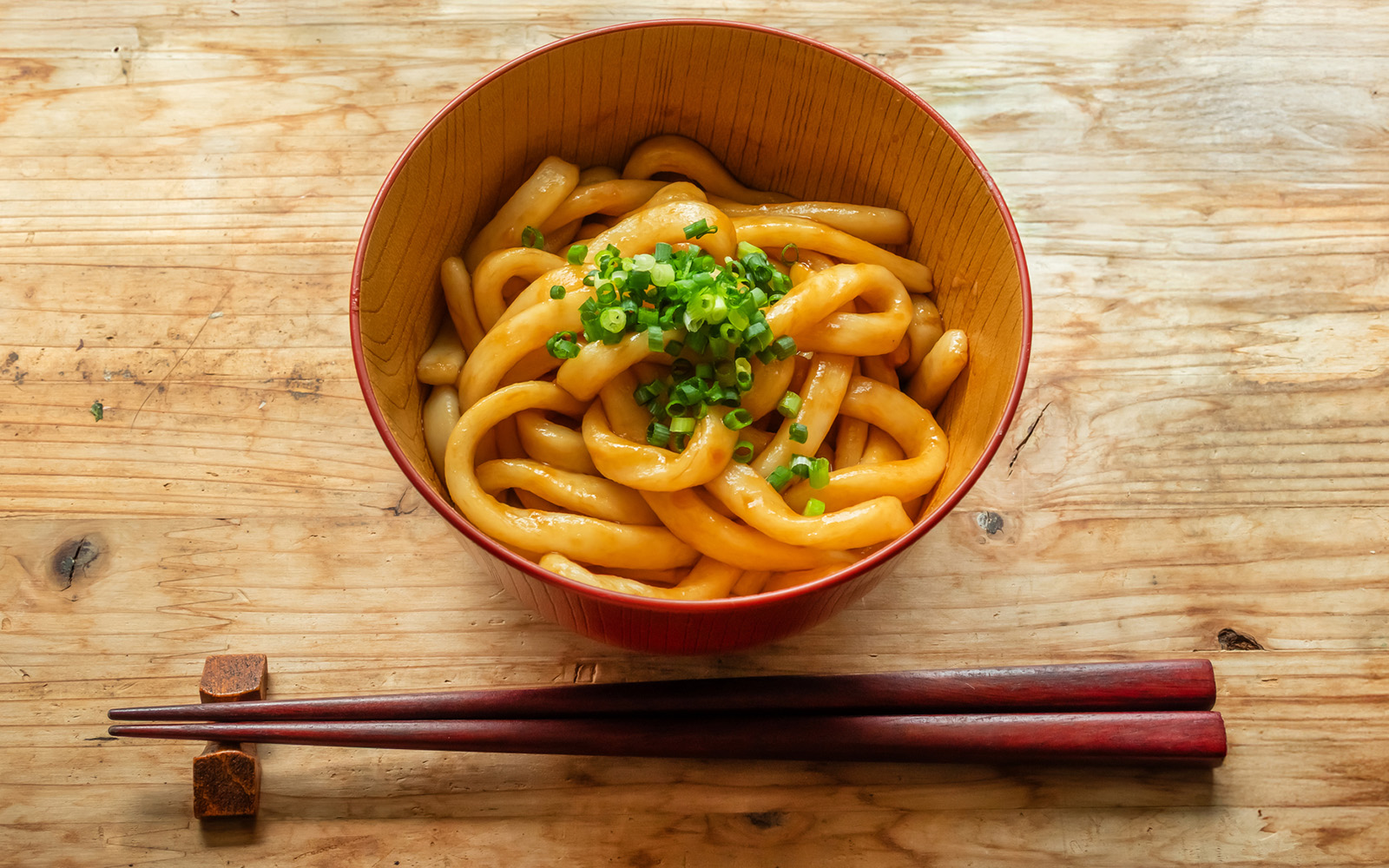
Every morning except in winter, the lively market sets up at dawn. Local women gather with freshly picked vegetables, wild plants and fruit to set up markets outside souvenir shops and inns. In spring, the Wild Vegetable Festival celebrates the tender mountain plants that locals have gathered for generations.
The Suzuki Kokeshi Studio offers a glimpse into the life of the last artisan of traditional Hijiori kokeshi dolls. Take one home as a souvenir, along with Hijiori manju (a brown-sugar bun filled with soft black bean paste).