5 Famous Foods You’ll Find in Saitama
 Tomas Kauer - News Writer and Moderator
Just a short hop north of Tokyo’s neon sprawl lies Saitama Prefecture, a region where historic “Little Edo” streets meet the rugged peaks of Chichibu. While it’s often overshadowed by its famous neighbor, Saitama is a paradise for carb-lovers. As one of Japan’s premier wheat-producing hubs, the prefecture has spent centuries perfecting the art of the noodle. Saitama’s culinary scene is a deep dive into rustic, soul-warming flavors. If you’re looking to eat like a local, here are some famous foods you’ll find in Saitama.
1. Miso Potato
 Photo by: PIXTA/ apple
Miso potato is one of Chichibu’s most famous local snacks and an easy favorite for visitors exploring the area. Vendors steam chunks of potato, coat them in batter, deep fry them until crisp and brush them with a sweet-and-salty miso sauce. Farmers originally ate the dish as a quick and filling meal during busy workdays, but it eventually became a well-loved comfort food across the region. Today, you’ll spot miso potato at festivals, roadside stations and small local eateries throughout Chichibu.
2. Neginuta
 Photo by: PIXTA/ wifineko
Neginuta puts the spotlight on Fukaya negi, one of Saitama’s most famous vegetables. Cooks simmer thick green onion stalks until soft, then dress them with miso and vinegar-based seasonings. The onions develop a mellow sweetness as they cook, while the miso adds a salty, savory flavor. Farmers around Fukaya grow negi in mineral-rich soil with strong temperature differences between winter mornings and afternoons, which helps concentrate the onion’s sweetness while keeping the texture tender.
3. Kawagoe Sweet Potato
 Photo by: PIXTA/ Key West
The city of Kawagoe has grown sweet potatoes since the Edo period and still embraces them as one of its signature foods today. Local cafes and specialty shops use the potatoes in ice cream, pastries, chips and traditional Japanese sweets. Farmers first began cultivating sweet potatoes in the area because the sandy soil drained well and supported reliable harvests, especially during years when rice crops struggled. Many visitors now wander through Kawagoe’s historic streets, sampling sweet potato snacks along the way.
4. Kounosu Kawahaba Udon
 Photo by: PIXTA/ Jun
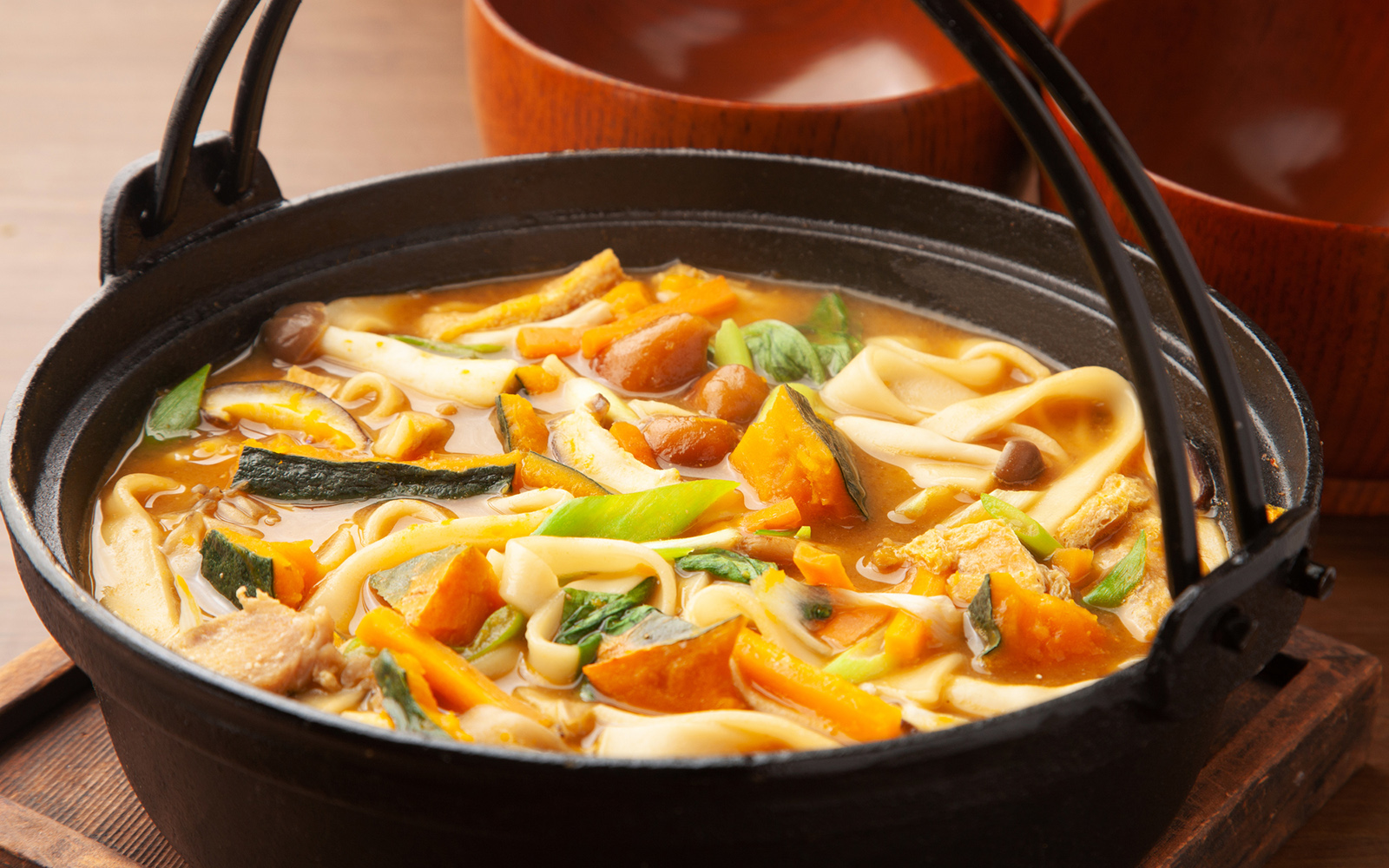
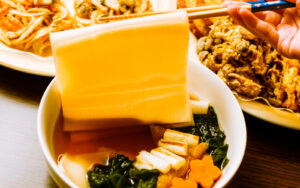
Kounosu kawahaba udon stands out for its unusually wide noodles, which stretch much broader than standard udon. The name “kawahaba,” meaning “river width,” references both the noodle shape and the nearby Arakawa River, one of the widest rivers in Japan. Restaurants in Konosu make the noodles using locally grown wheat, giving them a firm, chewy texture that works especially well with dipping sauces and hot broth. Many shops serve kawahaba udon alongside tempura vegetables and seasonal local ingredients.
5. Waraji Katsudon
 Photo by: PIXTA/ 渡邊トシ
Waraji katsudon gets its name from traditional Japanese straw sandals because the pork cutlets resemble their oversized shape. Restaurants in Chichibu place one or two thin pork cutlets over rice, then coat them in a lightly sweet soy-based sauce. Unlike many katsudon dishes in Japan, this version usually skips the egg, allowing the crispy coating and sauce to stand out more clearly. The large portion size helped make waraji katsudon popular with laborers and travelers visiting the mountain region.
What did you think of these famous foods you’ll find in Saitama? Take a look at our Famous Foods in Japan series for local specialties from across the country.