Sorakuen Garden
 Tomas Kauer - News Writer and Moderator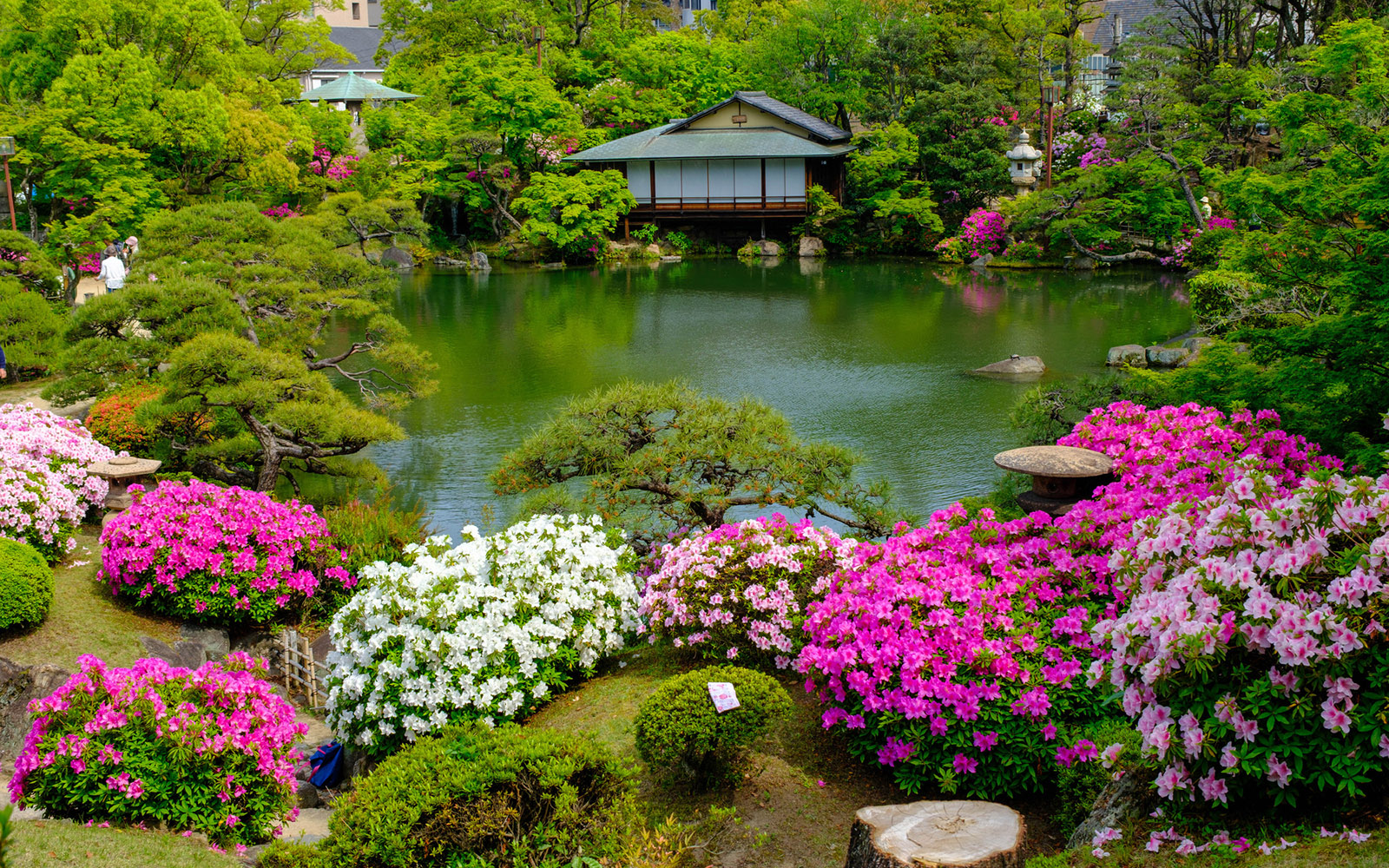
Kobe is often treated as a quick stop between Osaka and Himeji, but it rewards travelers who take their time. Known for its historic foreign district, the city blends port history with traditional onsen and modern shopping. Just a short walk from the city center, Sorakuen Garden feels far removed from the busy shopping streets. It is the city’s only traditional Japanese garden, combining classic landscape design with architectural details that reflect Kobe’s international past.
Sorakuen Garden
 Photo by: PIXTA/ 空芯菜
Sorakuen is a pond-centered strolling garden, designed to be enjoyed slowly. Paths circle the water, with stone bridges and stepping stones guiding you through carefully arranged scenery. The layout draws from mountain landscapes, using changes in elevation, streams and small waterfalls to create a sense of depth.
Views shift as you move, with each turn offering a new angle rather than a single focal point. Seasonal changes also shape the garden’s natural charm, with over 4,000 Azaleas blooming in spring and maple trees bringing vibrant reds and yellows in autumn. The garden is also home to a camphor tree believed to be around 500 years old.
History and Cultural Highlights of Sorakuen Garden
 Photo by: PIXTA/ K2ラボ
The garden began as part of the private residence of Kodera Kenkichi, a former mayor of Kobe, with construction starting in the late 19th century and finishing in the early 20th century. Kobe City took ownership in 1941 and opened it to the public as “Sorakuen,” meaning “harmony and joy together.” While much of the original estate was lost during World War II, here several structures remain or were later relocated.
The former Hassam residence, built in 1902 for a foreign trader and moved from Kitano in 1963, reflects Kobe’s early international community. The Former Kodera Family Stable, with its European-style design, reflects Western architectural influence from the same period. Both buildings are only open to the public on limited occasions. In 2026, the interior of the former Hassam residence will be open on weekends throughout May.
The funayagata is the preserved rooftop section of an Edo-period river pleasure boat once used by the lord of Himeji Domain. Built between the late 17th and early 18th centuries and relocated here for preservation, it is the only surviving structure of its kind in Japan.