



















Santera Mairi Festival

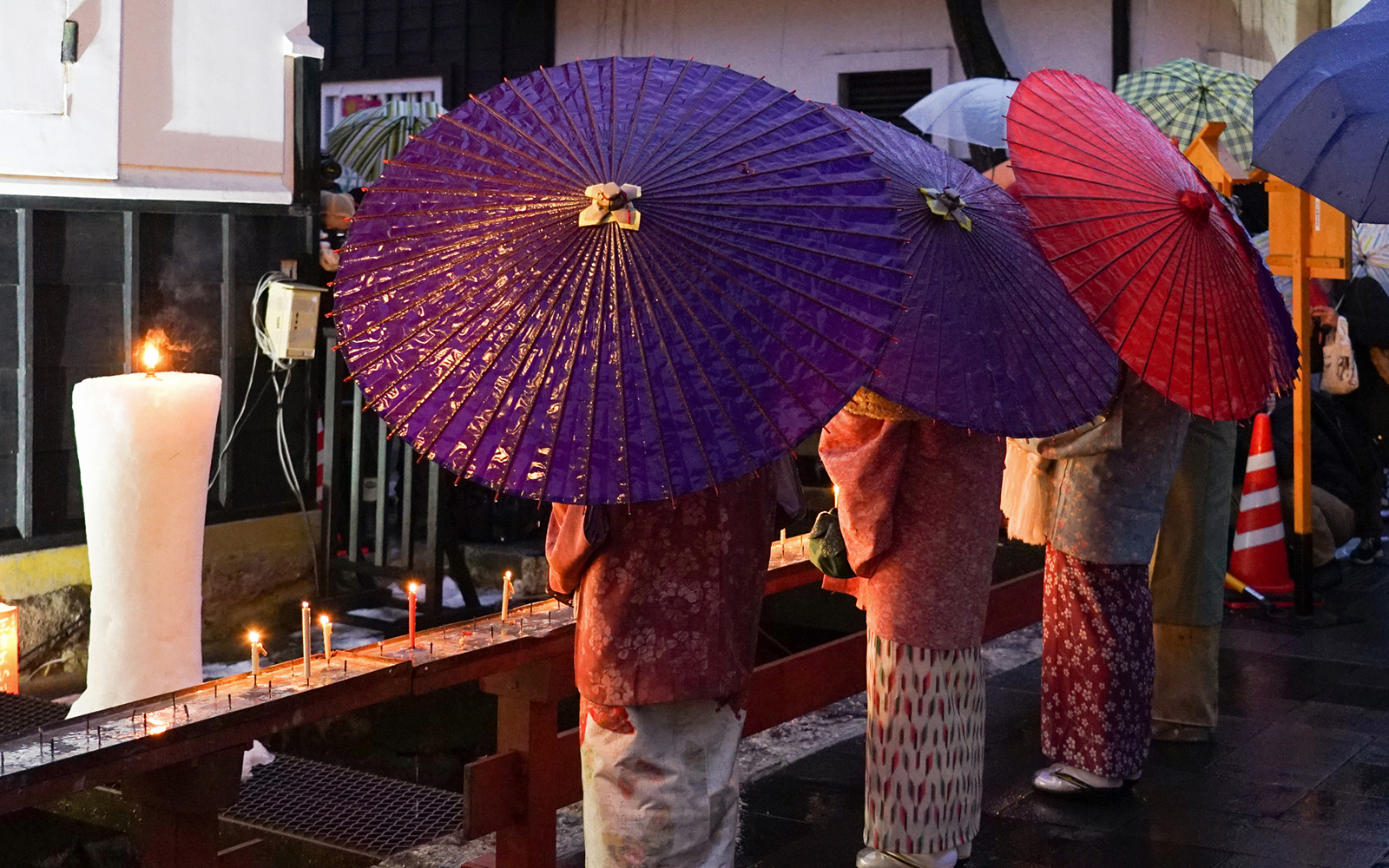
For over 200 years, Hida Furukawa has carried on a tradition called Santera Mairi. This quiet, snow-covered town in Gifu Prefecture hosts a ritual of visiting the town’s three temples and lighting candles in the town center on the evening of January 15.
The festival began as a religious pilgrimage in honor of Saint Shinran, the founder of the Jodo Shinshu sect. Over time, it has also become an opportunity to meet young people. Today, while romance is still part of its appeal, Santera Mairi is mainly about walking, praying and sharing a peaceful winter evening together.
Santera Mairi Festival
 Photo by: PIXTA/ leicahiroba
Santera Mairi involves visiting three temples: Enkoji, Shinshuji and Honkoji. They are all close to each other, linked by narrow streets and the popular Seto River. This canal is famous worldwide for its clear water and the more than 1,000 colorful koi carp that swim through it.
During the Meiji and Taisho eras, young girls of marriageable age who worked far from home would return to Hida Furukawa. Dressed in their best clothes, the women would walk along the temple path. Naturally, this became a place where young men and women met, and it came to be known as a marriage pilgrimage.
Each temple has its own story. Enkoji is known for a legend that a tortoise saved it from a massive fire. The red Imamiya Bridge over the Araki River and the Shinshuji temple create a remarkable scene in Hida Furukawa. Honkoji, the largest wooden temple in the region, carries memories of the past hardships and the strength of the Hida region.
Festival Highlights
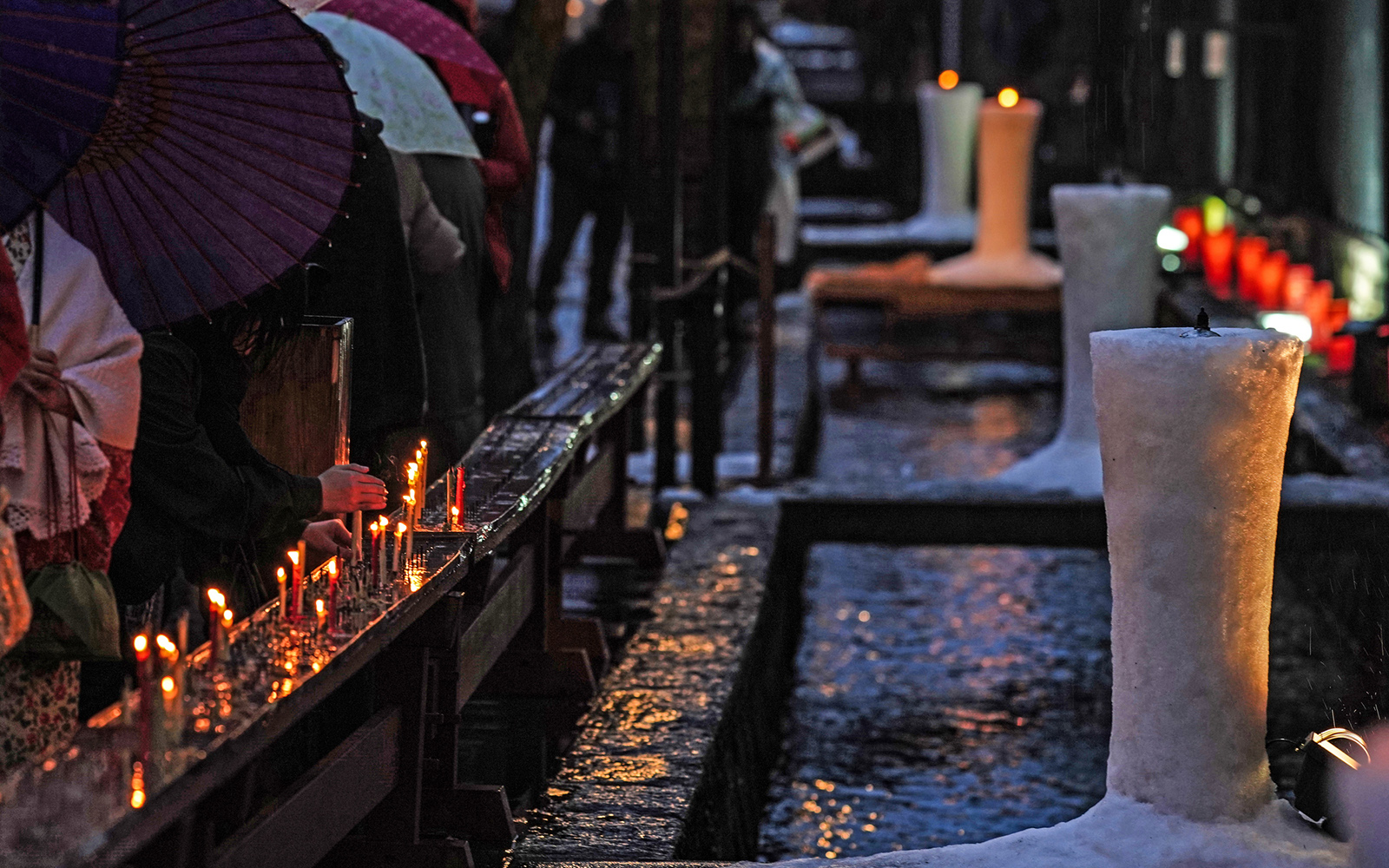 Photo by: PIXTA/ kouyunosa
As evening approaches, the city begins to light up. From around 4 pm, hundreds of candles are lit along the Seto River and along the streets. Mishima Candle Shop, a local family business, makes these traditional warosoku (“wa” means Japanese and “rosoku” means candle). They also create a few giant 13-kilogram candles for the festival. Seeing it burn is a moment that many people look forward to.
Visitors join the festival by lighting their own candles. They often light white candles for new love or future happiness. Later, they burn red candles to express gratitude if a wish comes true. There is also a festival called “Ro-nagashi”, where people float lanterns with their wishes on the Seto River.
From noon, the central Monzen-ichi market stalls open in the festival square. Locals and visitors warm their hands around Hida beef croquettes, grilled trout and gohei-mochi rice sticks. The aroma of the food mingles with the cool breeze and candle smoke.
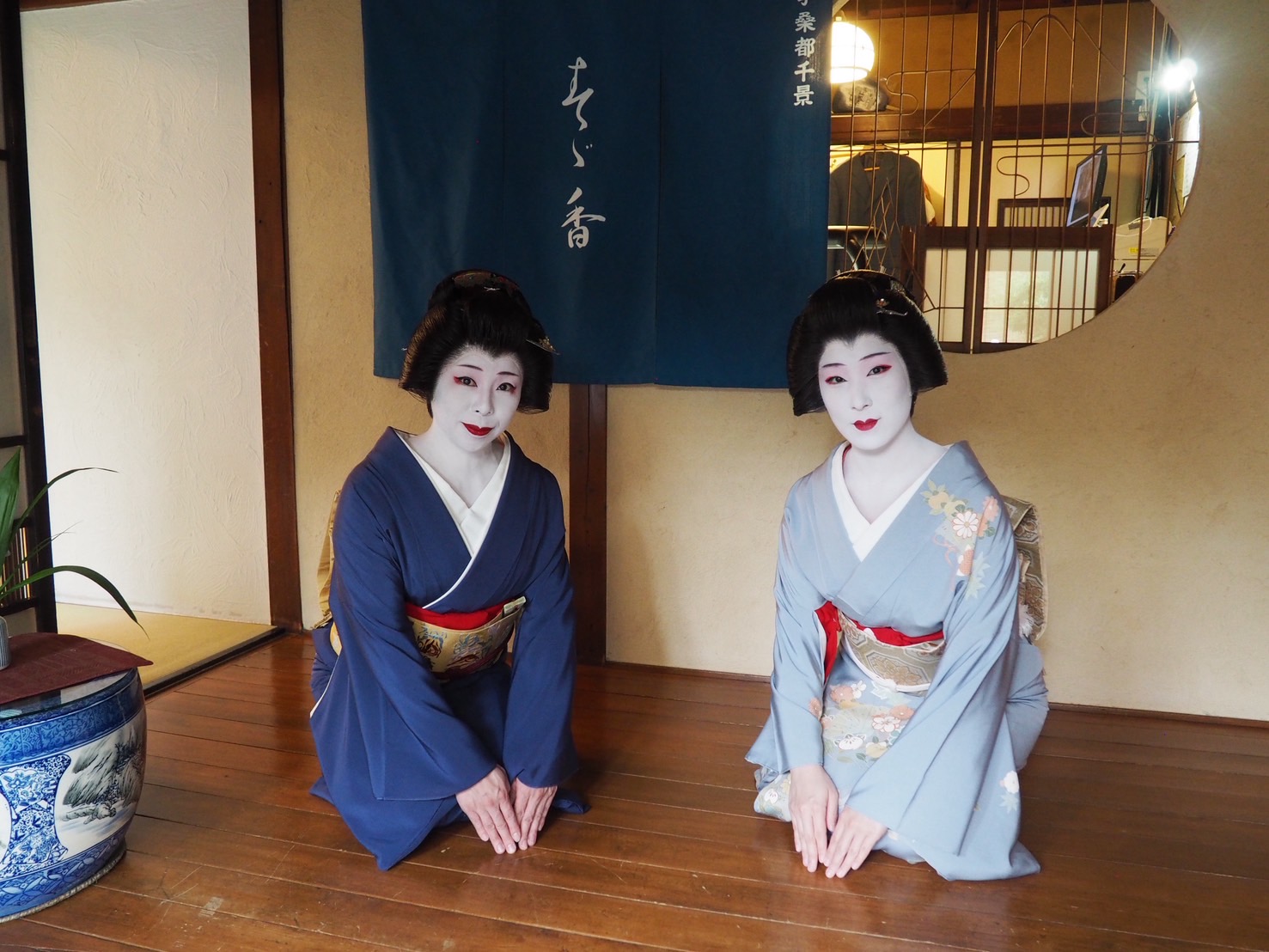
The best way to enjoy it is to walk along the snow-covered streets, dressed in colorful kimonos, to visit the temples.