






















Onsenji Temple

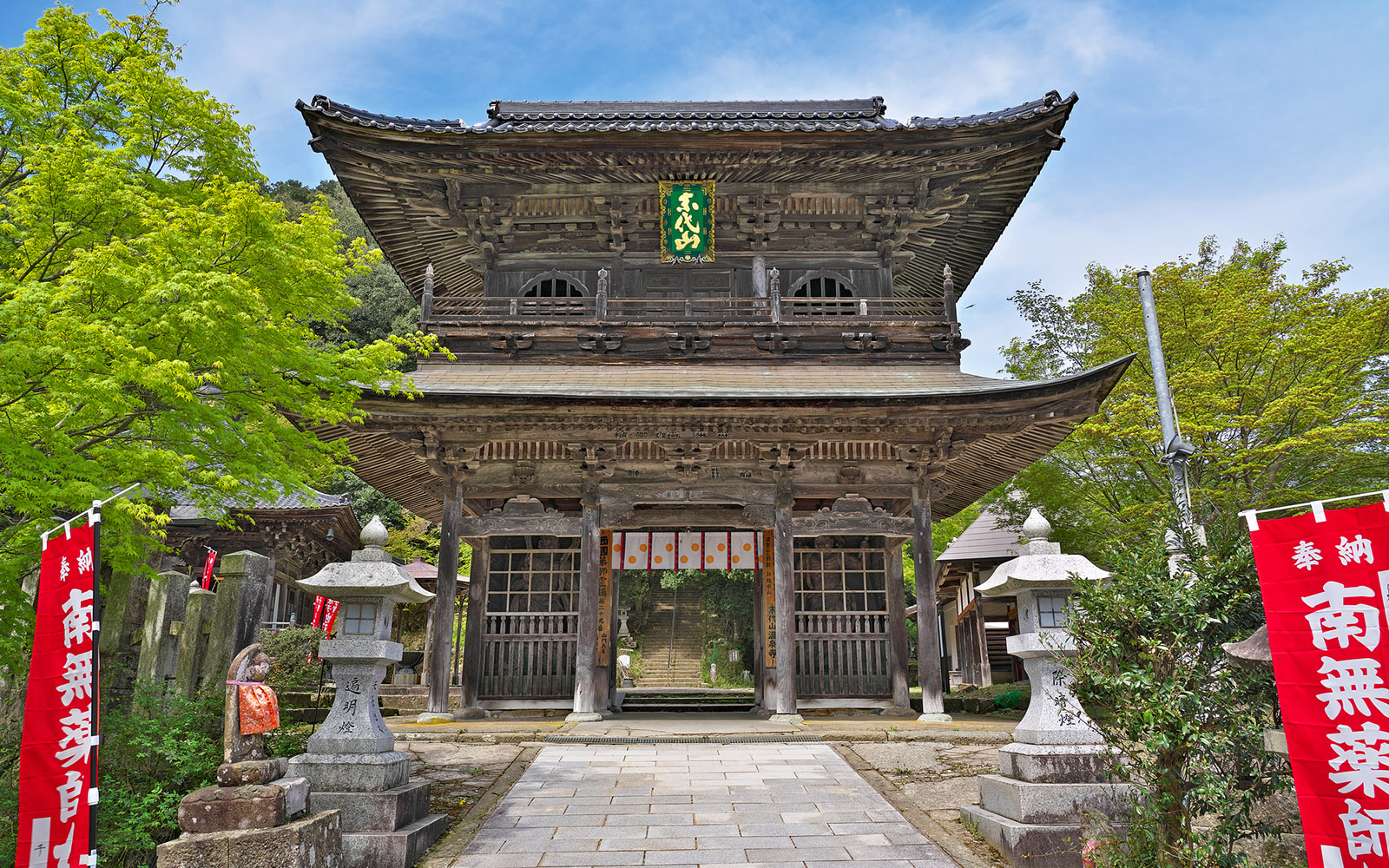
Onsenji Temple in Kinosaki Onsen has been the spiritual heart of the town for over 1,300 years. In the past, visitors prayed here before accessing the baths. Visiting Onsenji Temple remains one of the best ways to start your time in Kinosaki. The temple’s quiet mountain setting, historic halls and rare Buddhist statues offer a deeper look into the legends behind the town’s famous hot spring waters.
Onsenji Temple
 Photo by: PIXTA/ papa88
Onsenji Temple traces its origins back to 738, when Dochi Shonin completed 1,000 days of strict ascetic training. Legend says he prayed without food, water or sleep until the earth split open and hot spring water surged up at what is now Mandara-yu, marking the beginning of Kinosaki Onsen.
For centuries afterward, pilgrims climbed to the main hall midway up Mount Daishi to offer thanks to the deity protecting the springs. Many visitors who recovered in Kinosaki left their mobility aids at the altar as a gesture of gratitude. Some of these items are still preserved at the temple today.
Onsenji Temple also houses the Onsenji Temple Museum. Here, visitors can see Buddhist artworks, historic treasures and cultural artifacts from the Tajima region. The temple is popular for its two sacred statues, each with its own remarkable origin story.
Thousand-Armed Bodhisattva of Mercy
A rare and intricate statue that once featured 1,000 individually carved arms. Today 834 remain, yet the figure is still considered an exceptional example of early Buddhist craftsmanship.
Eleven-Faced Kannon Bodhisattva
The Eleven-Faced Kannon Bodhisattva is one of Onsenji Temple’s most treasured icons and its origins are wrapped in legend. According to the story, a priest named Keimon set out to carve three Buddha statues from a single sacred tree, the same type of wood used for the famous Kannon at Hasedera Temple in Nara. Before he could finish the final statue, he fell ill and traveled to Kinosaki in hopes that the hot spring waters would cure him.
While he was away, the town where the unfinished statue was kept began to suffer a streak of misfortune. Locals blamed the unrest on the uncompleted carving and eventually cast it into the river. The statue drifted from village to village and each place that pulled it ashore reportedly experienced similar bad luck. Each community sent it back into the water until, eventually, it floated all the way north to Kinosaki Onsen.
Keimon later found the statue there and Dochi Shonin, the monk who founded Kinosaki Onsen, told him that the carving needed to be completed to settle its spirit. Keimon finished the statue, entrusted it to Dochi Shonin and returned to Nara.
By 738, news of Kinosaki’s healing hot springs had reached the imperial court. An official decree designated Onsenji Temple as the guardian temple of Kinosaki Onsen and the Eleven-Faced Kannon became the temple’s principal object of worship.