
























Garden of Fine Arts Kyoto


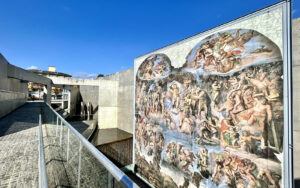
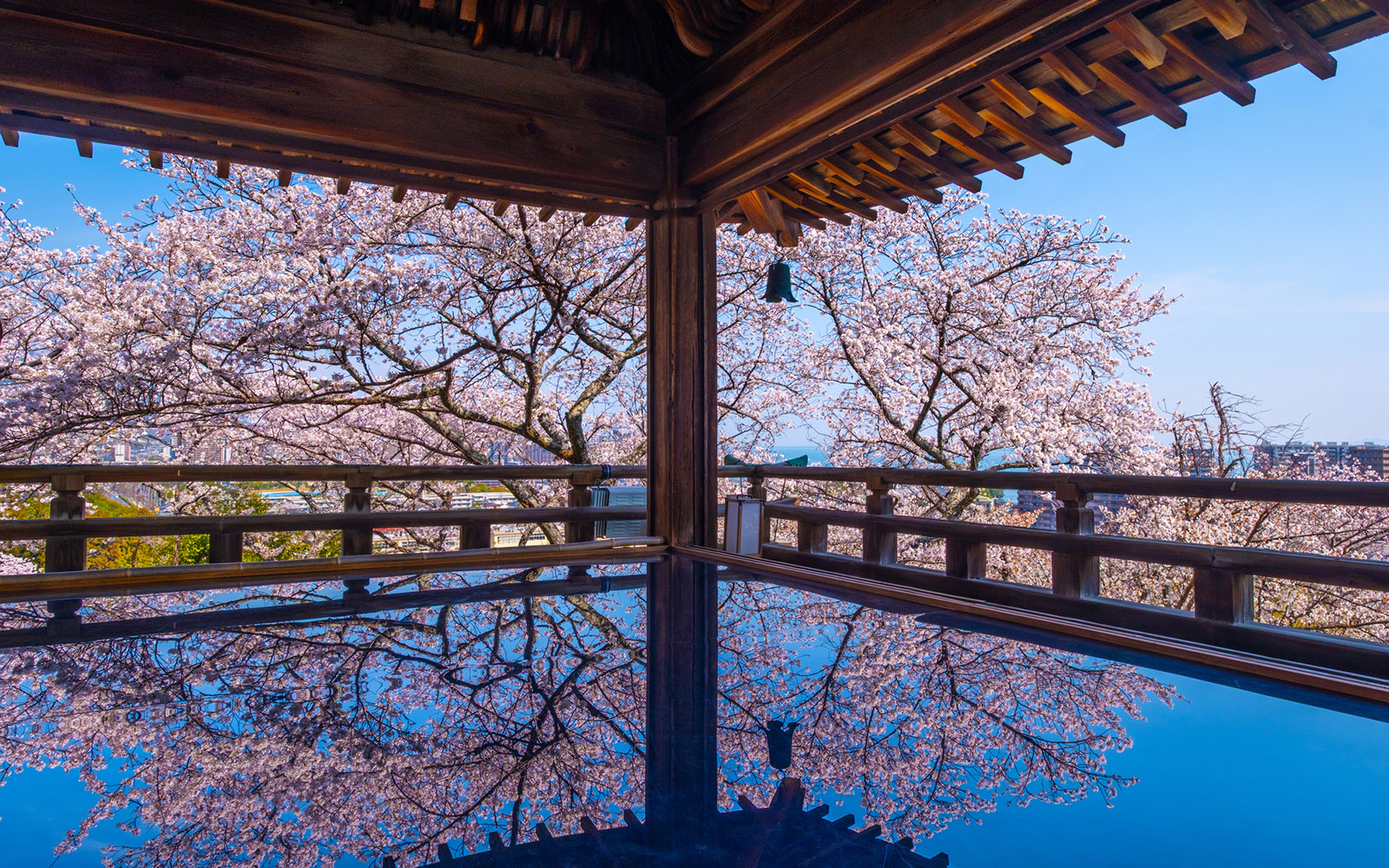
In Kitayama, Kyoto, adjacent to the Botanical Garden, lies the Garden of Fine Arts Kyoto. Designed by architect Tadao Ando, this outdoor gallery is surrounded by modern materials, water and color.
Garden of Fine Arts Kyoto
 Photo by: Alma Reyes
Founded in 1994, Garden of Fine Arts Kyoto is the world’s first art park to showcase full-scale masterpieces reproduced in ceramic tiles embedded on its walls. Writer and economic commentator Taichi Sakaiya, who also organized the Osaka Expo’70, envisioned the project and delegated Ando to supervise the overall building and space design. Daikoku Denki Co., Ltd., through its President, Shinji Kayamori, finally donated the ceramic art to Kyoto Prefecture.
Architectural Design

Spanning 200 square meters, the Garden of Fine Arts Kyoto exemplifies Ando’s skillful use of concrete structures, which invite a play of light and shadow. The museum spans three levels, featuring ramps that allow for viewing the premises and grand artworks from interesting perspectives. From the slopes, the pond in the lower ground is visible and echoes the timbre of waterfalls. Visitors can witness complex forms and color reflections on the water ripples, bounced by the sunlight. There are expansive terraces overlooking the art from all sides. The minimalist architecture promotes a meditative space that combines elements of both modernism and classicism.
While devoid of plants, the museum draws inspiration from the abundant nature of the Botanical Garden, which casts delightful shadows across the grounds.
Artworks
 Photo by: Alma Reyes
Eight classic masterpieces include those by Claude Monet, Leonardo da Vinci, Vincent Van Gogh and Auguste Renoir. The works by Monet, Michelangelo, Da Vinci and Seurat are of the same size as the original pieces.
The ceramic art uses plates from positive films of the paintings’ photographs, and transcribes them onto ceramic boards. After a calcination process, the plates emit bright colors and are collated to produce gigantic pictures. For example, the piece “The Last Judgment” is composed of one hundred individual pieces that were joined together. This innovative medium lasts for a long time and does not discolor or corrode. The technology offers an alternative way of appreciating art in a free and expansive space.