





















Furukawa Art Museum and Tamesaburo Memorial Museum

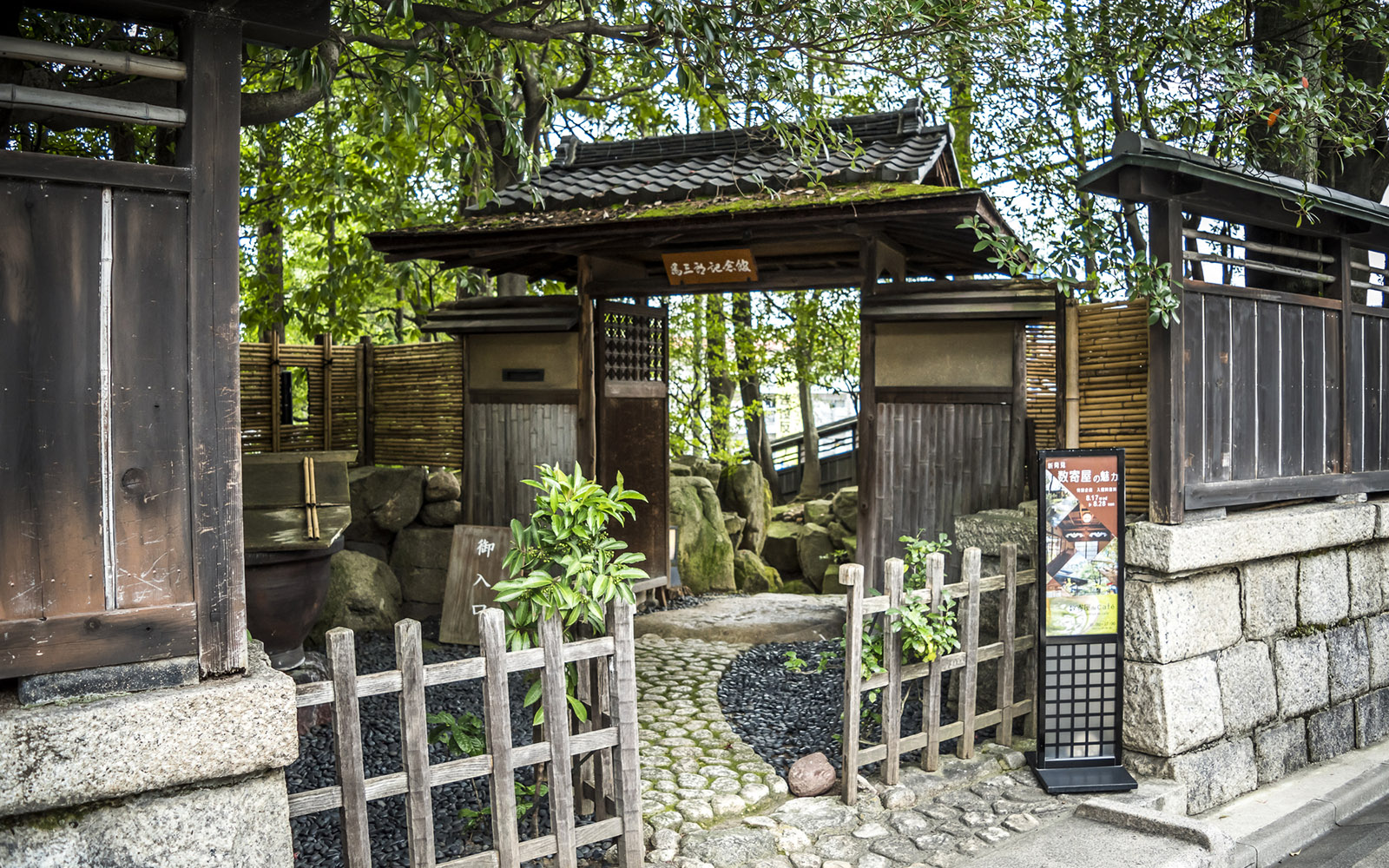
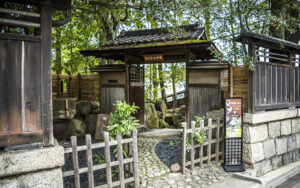
The Furukawa Art Museum and Tamesaburo Memorial Museum in Nagoya represent the final wishes of their namesake, centenarian businessman Furukawa Tamesaburo. Towards the end of his life, he wanted his private residence and art collection to be accessible to the world. Now, these two museums offer travelers respite from the city’s crowds through nature, tea and traditional Japanese aesthetics.
Furukawa Art Museum and Tamesaburo Memorial Museum
 Photo by: Laura Payne
Before passing away at the age of 103, Furukawa Tamesaburo made a fortune with multiple business ventures. He was also an avid art collector, but did not want the pieces he acquired to be locked in a private space. The Furukawa Art Museum opened in 1991 to display his collection publicly.
The Tamesaburo Memorial Museum, meanwhile, is where Furukawa Tamesaburo once lived. The property was opened to the public in 1995 because he wanted it to become a “place of relaxation for everyone.”
The main house of the memorial museum is itself a work of art. It was built in 1934 in an architectural style called sukiya zukuri (sukiya style).
Visiting the Museums
 Photo by: Furukawa Art Museum (Tamesaburo Memorial Museum)
The Furukawa Art Museum currently houses over 2,000 items, including numerous 20th-century nihonga (traditional Japanese-style paintings). Works by Uemura Shoen (known for her portraits of women) and Yokoyama Taikan (a leading nihonga painter who held many international exhibitions) are highlights of the museum’s collection.
Rather than having permanent displays, the art museum’s exhibitions are constantly rotating. These can include pieces from Furukawa’s collection and the creations of other artists.
The Tamesaburo Memorial Museum is less than five minutes from the art museum on foot. Inside the main house, visitors are encouraged to take note of the unique architectural details in each room.
Sukiya de Cafe
 Photo by: Furukawa Art Museum (Tamesaburo Memorial Museum)
The main house also doubles as an eatery called Sukiya de Cafe. Certain rooms have windowside tables where wagashi (traditional Japanese sweets) and other treats can be enjoyed with a garden view. This garden’s appearance changes throughout the year, featuring autumn leaves, winter camellias and other seasonal plants.
Outdoor paths allow visitors to walk through the garden. Along with the natural scenery, visitors will find a teahouse called Chisoku-an, another representative of traditional Japanese architecture. All of the memorial museum’s buildings, including Chisoku-an, are registered Tangible Cultural Properties.