




















Eigenji Temple

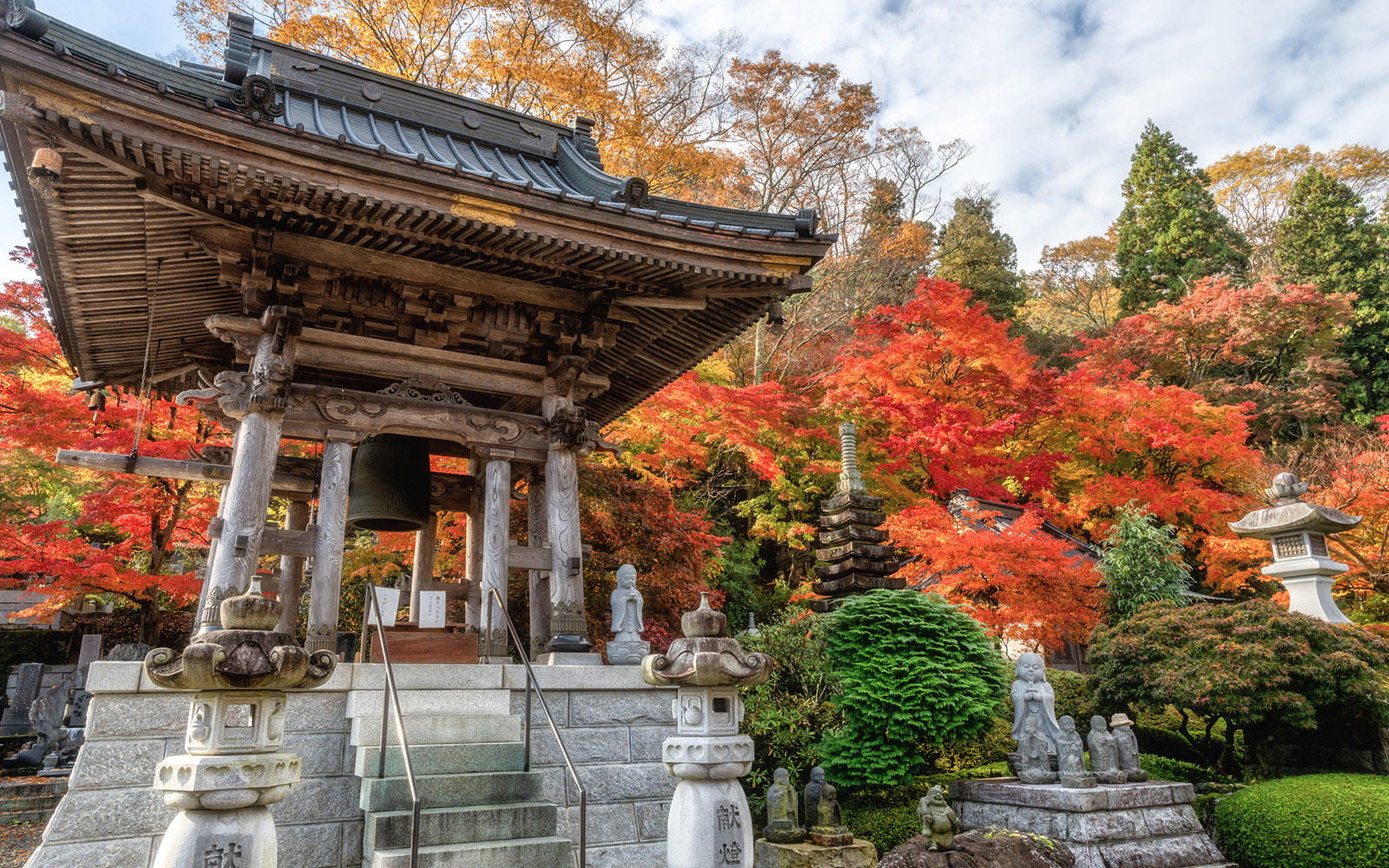
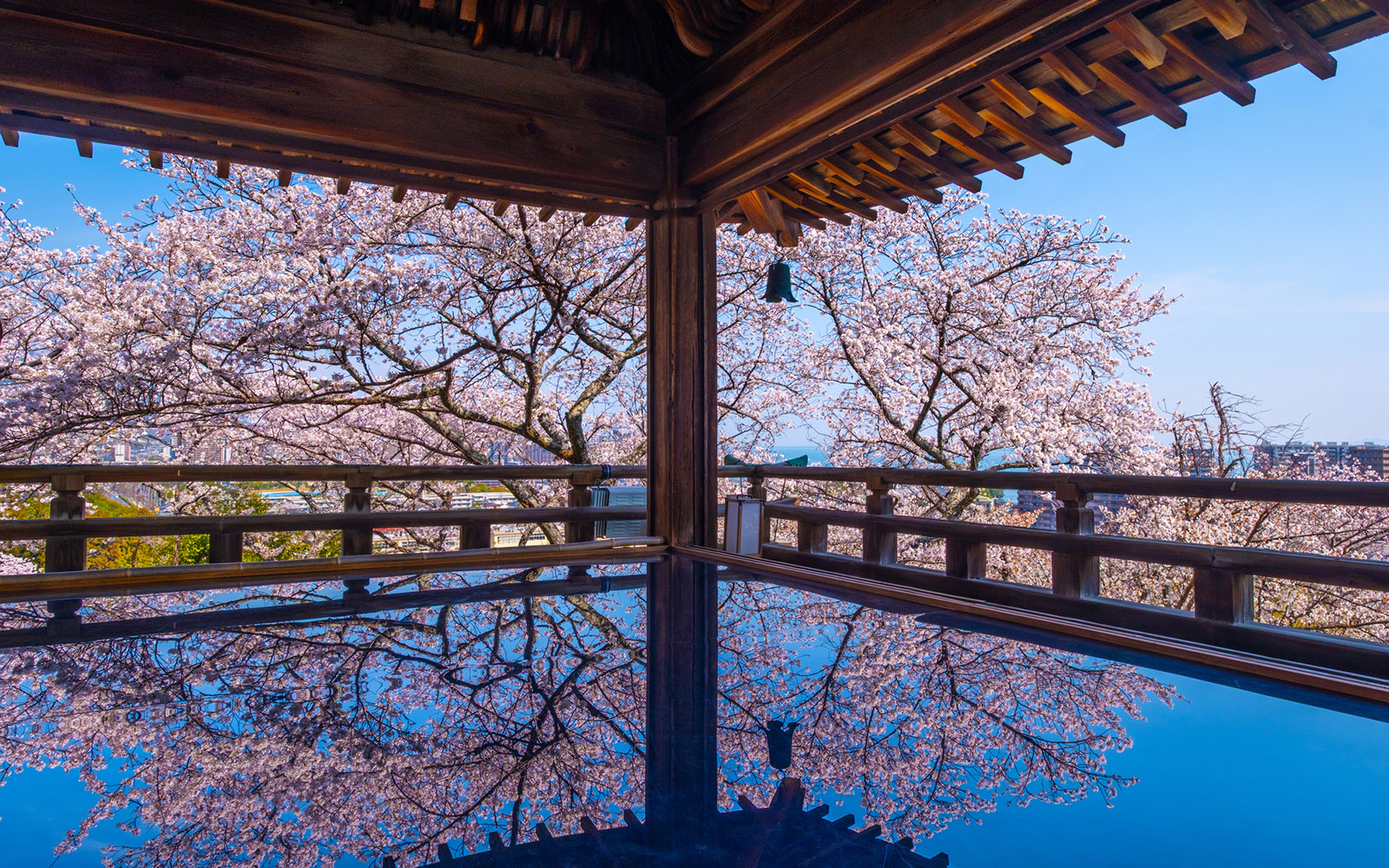
Eigenji Temple in Ibaraki Prefecture sits on a hill overlooking the town. The temple is known for its long history, peaceful grounds and brilliant maple leaves in autumn. Many people visit during the foliage season, but the temple also offers moments of calm throughout the year.
Eigenji Temple
 Photo by: PIXTA/ ino masa
It began in 1446 under the Soto Zen school. Honda Gaiki, a vassal of the Satake clan, helped establish the temple. The first one stood in a different district but burned down in 1654. In 1659, the temple relocated to its current site, overlooking the town.
The temple suffered again in 1864 during the Tengu Rebellion, when most buildings were lost. Local supporters rebuilt it over many years, and the grounds reached their current form in 1990.
The principal image is Shaka Nyorai, also known as Gaunzan. Eigenji also enshrines Benzaiten, the goddess of performing arts and one of Japan’s Seven Lucky Gods. Because of this, it serves as a stop on the Okukuji Daigo Seven Lucky Gods Pilgrimage.
Walking Around Eigenji
 Photo by: PIXTA/ hirophoto
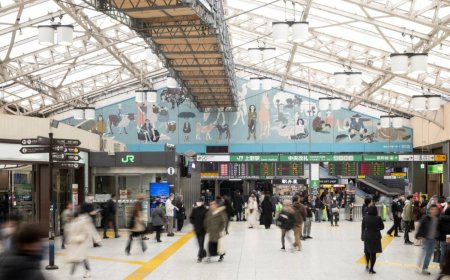
Reaching the temple takes about ten minutes on foot from Hitachi-Daigo station. The walk crosses the Oshi River, where stone statues line the paths. Many are small, each with its own name and backstory. A slope leads up to the grounds. It rises gently, making it easy to enjoy the scenery. A pair of Komainu (lion-dogs), usually seen at shrines rather than temples, guard the main hall. Inside, the wooden statue of Buddha sits in a calm, dim space.
The precincts carry a sense of age. Some structures reflect earlier reconstruction periods, while others show the careful restoration work completed in recent decades. Despite these changes, the temple maintains a simple and grounded look.
Visitors can also receive a goshuin (red stamps). The temple offers two types: one for Benzaiten and one for Shaka Nyorai, both written in precise brush strokes.
A Place Known for Autumn
 Photo by: PIXTA/ hirophoto
Eigenji is best known as “Momiji Temple.” The name originates from the numerous maple trees that cover the grounds. In early November, the leaves begin to shift from green to red and gold. The best viewing time usually falls between the end of November and early December. During this season, the entire hillside glows. Maples arch over the path, line the stone steps and fill the area around the main hall. When the sun hits the branches at the right angle, the colours seem to deepen.
The hilltop also offers a wide view of Daigo. On clear mornings, the train line and the town’s rooftops appear far below. At quieter hours, the atmosphere feels almost still, with only the sound of leaves or distant movement from the station area.
The momiji that define the temple were cultivated over many years. Their size and shape show the time invested in growing them. Because of this, Eigenji has become one of the most well-known foliage spots in northern Ibaraki.