Mii-dera Temple
 Tomas Kauer - News Writer and Moderator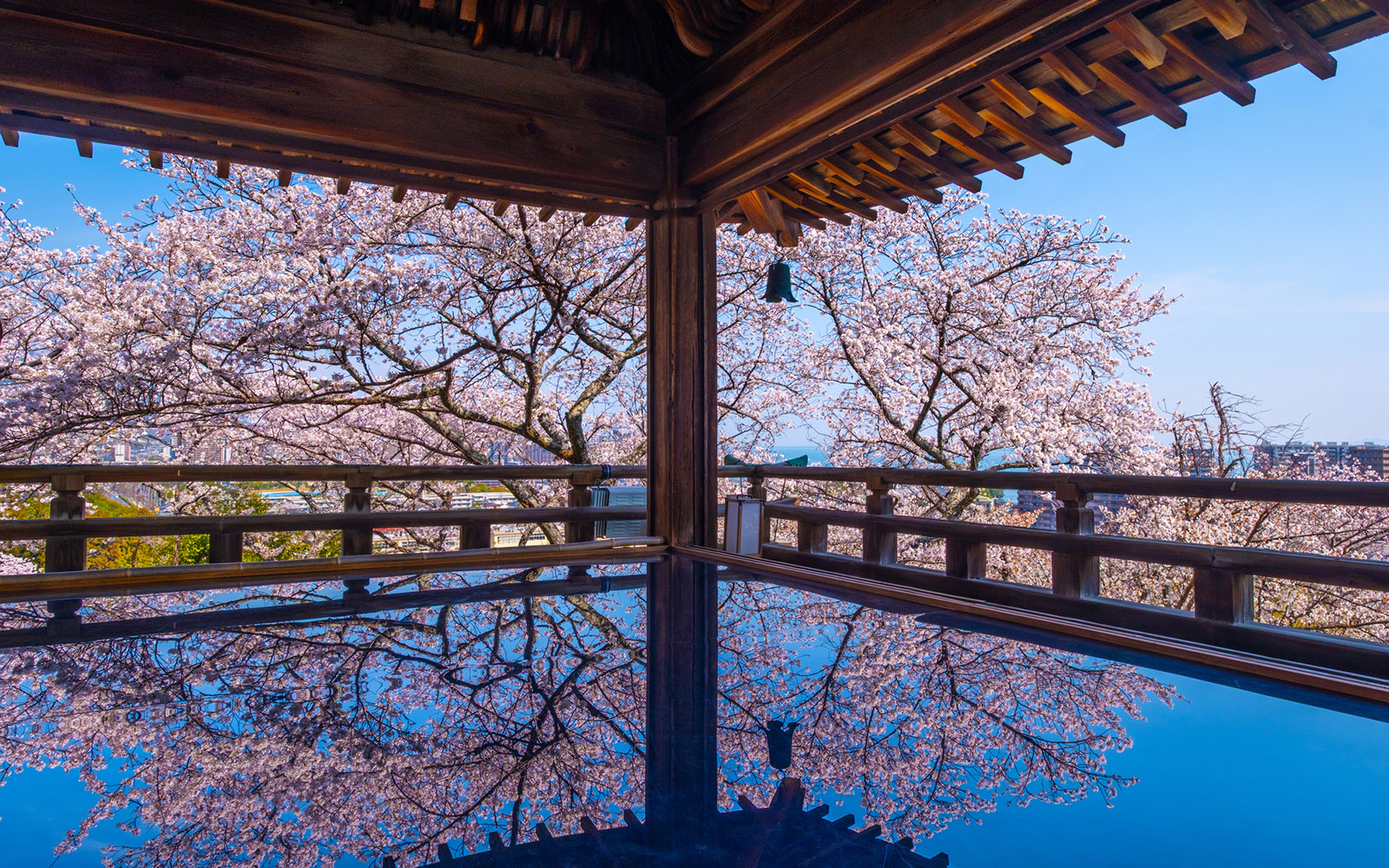

Mii-dera Temple on the slopes of Mount Nagara in Otsu City, Shiga Prefecture. From here, the serene view of the Biwa Lake is visible. The temple grounds are wide and peaceful. Its official name is Nagara-san Onjo-ji, but most people know it as Mii-dera. Nature and culture coexist in this 1200-year-old temple.
Mii-dera Temple History
 Photo by: PIXTA/ Yama
Mii-dera was founded in the Asuka Period and later grew in importance during the Heian Period. The monk Chisho Daishi Enchin restored it and helped turn it into an important temple of the Tendai Jimon sect.
The temple’s long life has not been easy. It was damaged many times, including during the Genpei War and the Nanboku-cho period, when fires destroyed large parts of it. People rebuilt it each time because they believed in its value.
The name “Mii-dera,” meaning “temple of the sacred well,” comes from a spring inside the grounds. It is said that the first bath of the three emperors, Emperor Tenji, Emperor Tenmu and Empress Jito used this water. Even today, visitors can still hear the quiet sound of the spring flowing.
Temple Grounds
 Photo by: PIXTA/ taku
Walking through Mii-dera Temple, visitors first pass the Niomon Gate. The structure is old and serves as the entrance to a sacred space. Inside, the Golden Hall draws attention. Built in the Momoyama period, it is the main hall and one of the most important buildings on the grounds. Its size and design show the style of that time and inside are many Buddhist statues of great detail.
Another highlight is the bell tower, known for the “Mii Evening Bell,” one of the Eight Views of Omi. The bell is large and has a deep, clear sound.
The temple grounds also include a three-story pagoda and many halls filled with cultural treasures. There are more than 100 national treasures and important cultural properties here. Small details, like the statues, wooden structures, and quiet gardens, visit feel rich and personal.
For a short rest, many visitors stop to enjoy local sweets like dango at a small shop within the grounds, sitting under the shade of trees.
Best Time to Visit
 Photo by: PIXTA/ 鴨川さんぽ
Spring is the most popular season at Mii-dera Temple. Around early April, about 1,300 Somei Yoshino, mountain cherry, and weeping cherry trees bloom, dyeing the vast temple grounds pink. Visitors enjoy special night viewings as the cherry blossoms illuminate the temple after dark.